

Reimagining Human Labour: Prof. Edwin Michielsen’s Pioneering Research
In an era marked by rapid technological advancements and significant demographic shifts, Prof. Edwin Michielsen from HKU’s Department of Japanese Studies is at the forefront of discussions surrounding the future of work. His groundbreaking research project, From Karoshi to Autonomy: Reimagining the Future of Human Labor through Literature, funded by the Toyota Foundation, combines literary analysis with on-the-ground fieldwork to explore the pressing issues surrounding labour in contemporary Japan.

Covered fermentation vats in the process of shochu production at the Goto Islands shochu brewery (Photo: Jurriaan van der Meer)

Workers at the Hamaguchi fishcake factory clean and reset machinery after a morning of producing the next batch of fishcakes. (Photo: Jurriaan van der Meer)
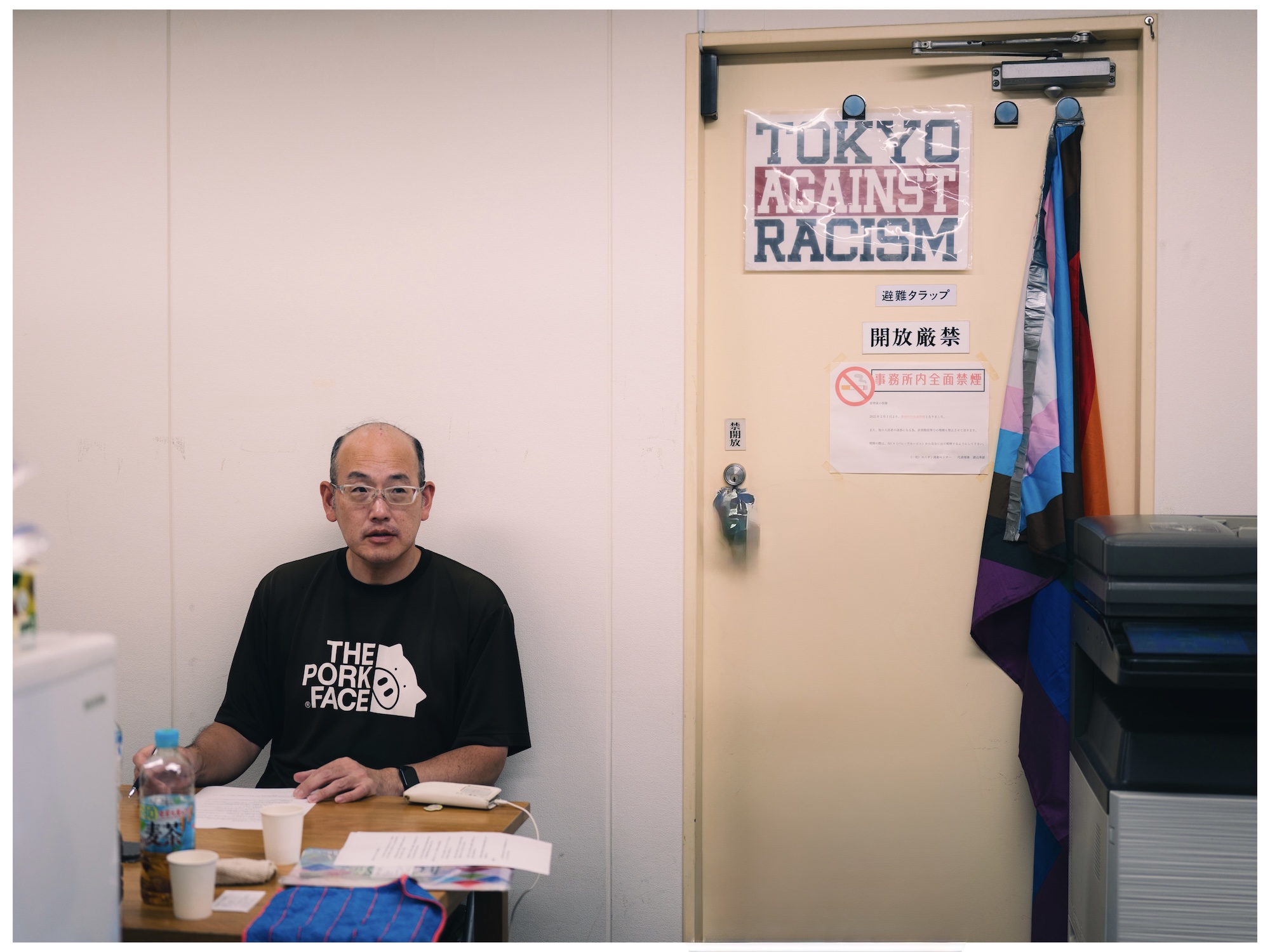
Onodera-san at the headquarters of the Precariat Union in Tokyo, discussing his ongoing legal dispute over unfair labor practices (Photo: Jurriaan van der Meer)

The sun sets over Farm Yama’s horse pasture on the outskirts of Pippu Village (Hokkaido), part of a small-scale ecological farm practicing non-tilling agriculture and animal care as an alternative model of work and life. (Photo: IG farm_yama)
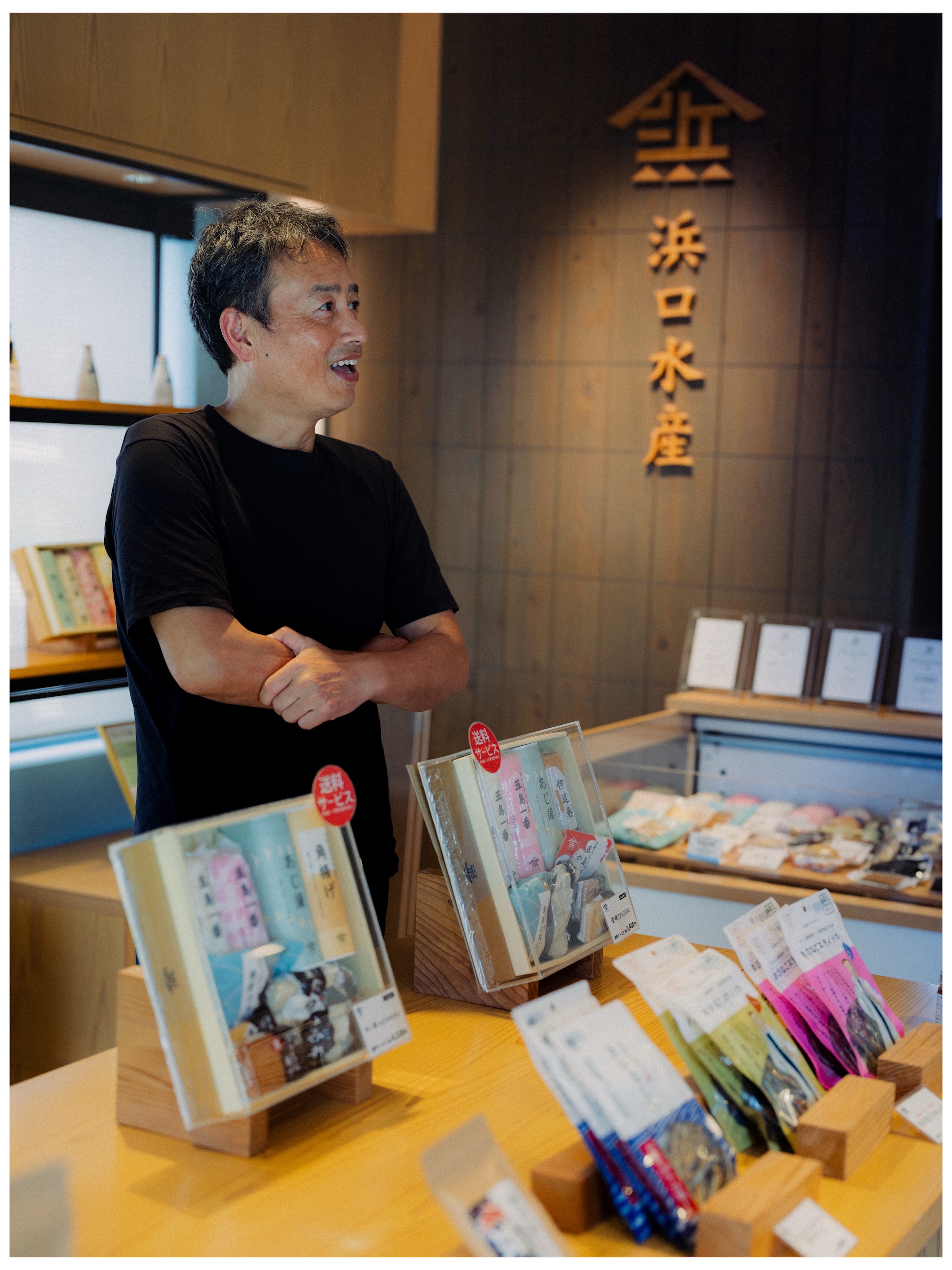
Hamaguchi-san inside the shop adjacent to his family-owned fishcake factory, presenting a range of fishcake products made on site. (Photo: Jurriaan van der Meer)

The Hamaguchi fishcake factory is located on the quiet outskirts of Fukue Island, near the coastline of the Goto Islands (Photo: Jurriaan van der Meer)

Yoshikawa-san, a veteran fisherman, explains his daily work
routine at the local fishery wharf in Mimira on Fukue Island
(Photo: Jurriaan van der Meer)
More information about Yoshikawa-san:
https://www.instagram.com/masaru_yoshikawa/
Knowledge Exchange: A Bridge Between Academia and Community
Prof. Michielsen’s recent field research on the Goto Islands in Kyushu exemplifies the importance of knowledge exchange. This remote archipelago faces acute demographic and economic challenges, stemming from an ageing population and a declining workforce. Engaging with local artisans, including fishermen, the owner of a family-run fishcake factory, and the head of a shochu brewery, he captures narratives that highlight both the resilience and vulnerabilities in traditional forms of labour.
These personal stories illuminate the struggles that these individuals face, such as labour shortages and the difficulties in passing skills to younger generations. For example, the fishermen pride themselves on their craft, yet express concerns about dwindling fish stocks and the future of their trade. Such lived experiences serve as poignant counterpoints to the abstract debates surrounding automation and labour reform, providing important insights that academia often overlooks.
In Tokyo, Prof. Michielsen also extended his inquiry into precarious labour by interviewing members of the Precariat Union, which supports workers involved in disputes with employers. Their testimonies revealed the often-hidden realities of in-work poverty, unfair contracts, and the risks individuals face when they challenge exploitative conditions. By contrast, an interview with a couple in Asahikawa, Hokkaido, who left corporate office jobs during the COVID-19 pandemic to establish a small horse ranch and organic, no-till farm, highlighted emerging attempts to build more autonomous, ecologically grounded ways of living and working.

Tanikawa-san, chief distiller at the only shochu brewery on the
Goto Islands, checks the shochu as it undergoes fermentation,
relying exclusively on locally sourced ingredients.
(Photo: Jurriaan van der Meer)
Taken together, these interviews show that contemporary labour in Japan cannot be reduced to a single model or narrative. Rather, it spans a spectrum from endangered local industries and precarious employment to experimental forms of work that seek new balances between livelihood, environment, and personal well-being.
Societal Impacts and Broader Implications
Furthermore, Prof. Michielsen’s work is not confined to Japan alone; it resonates throughout East Asia, where similar challenges are emerging. By examining Japan as a case study, he initiates discussions that encourage neighbouring societies to rethink how work can be perceived—not merely as an economic necessity, but as a means of cultural continuity, social solidarity, and personal fulfilment. The narratives he gathers engage with broader themes found in contemporary Japanese literature, where authors frequently confront the complexities of work and survival in a constant changing society.
Literature becomes a powerful medium through which these themes are explored, allowing for the imagination of both utopian futures of creativity and autonomy and dystopian landscapes of alienation and decline. By presenting these narratives alongside the realities of everyday labour, Prof. Michielsen effectively interconnects socio-economic, cultural, and political perspectives.

Yoshikawa-san proudly displays the long history of Mimira’s
fixed-net fishing, which dates back over 250 years.
(Photo: Jurriaan van der Meer)
Bridging Academia and Society
The importance of his work extends into the realm of public engagement. The narratives collected through his interviews and field materials will not only enrich his teaching at HKU but also form the basis for a potential public exhibition in Hong Kong. This initiative aims to foster dialogue and awareness about the future of labour, especially as AI rapidly transforms working environments, encouraging community members to consider how work can evolve in ways that promote dignity, sustainability, and social cohesion.
Through storytelling, Prof. Michielsen invites society to envision a future where labour is redefined as more than a means of survival. His study on the future of human labour is a crucial contribution to ongoing conversations about work in contemporary society, intertwining literary analysis with personal experiences to explore how work can foster autonomy and resilience and contribute to a more equitable and fulfilling societal framework. By engaging both academic and public audiences, his research not only enriches academic discourse but also empowers communities to rethink the role of work in their lives and to reflect collectively on what it means to work in the 21st century.